
Client
Turnkey Consulting
Sector
Cybersecurity
Outcomes
Bulletproof brand foundations
Enterprise-level credibility
On-schedule web build
What turns a website build from an arduous drag into a smooth execution?
Letting the brand do its job before the website asks it to.
Doing the Brand Before the Website
When Julia Hornaday, the Global Director of Marketing at Turnkey Consulting, joined the business in 2024, the company was coming up on a real milestone: 20 years in operation.
Over the course of two decades, Turnkey had built a solid reputation for itself. But when it came to communicating that reputation, their brand and website weren’t working as hard as they could be.
Julia joined at the tail end of these brand purpose exercises. Her job was to turn it into usable material, including a website, and build a marketing foundation that showed what made Turnkey different. That’s a tough job to do alone, so she called in a few external resources, including us, to help.
“If you don’t have the foundations in place before you start the website, you end up hitting a wall halfway through—and you have to go back and take care of the brand anyway.”
Objectives
Julia wasn’t trying to reinvent Turnkey’s brand. This was a business that had been around for years and which people trusted.
Instead, she wanted to make sure the brand communicated what made Turnkey different, and that the entire team was set up for success.
Knowing this, Julia worked with us on a brand refresh with the goal of:
- Making the website build efficient by reinforcing the foundations of the business
- Locking in decisions about design, messaging, and voice early so they didn’t unravel later
- Creating a foundation other people could pick up and use, whether it was outside partners or her internal team



The Challenge
Julia was new to Turnkey, but she wasn’t new to marketing. An experienced leader who’d done many websites before, she knew a website could be an arduous project if you ignore the brand.
As she said when we chatted, “If you go into a website project without nailing the brand first, you end up getting stuck halfway through. You discover things are broken at the foundational level, and you need to make sure they’re fixed.”
Additionally, Julia needed something that would actually be usable. As the only marketing lead, she didn’t have time for a meandering process with unclear deadlines or deliverables, or a process that dragged on for months thanks to unexpected speedbumps.
So Julia made a different call: Foundations first. Website second. And she chose to work with us for that foundational part.

Approach
Instead of rolling “brand + website” into one giant push, Julia chose a phased approach: purpose and foundations first, then web.
1) Start with the purpose work already in motion
Turnkey had the experience, reputation, and track record to prove their value. They also had a lot of great raw material, thanks to their internal brand purpose exercises.
Before engaging with any suppliers, Julia took the time to review all of it. As part of her onboarding into the business she reviewed every strategy doc, messaging doc, and capability description. If something was only 70% of the way done, she’d pull it to the finish line. That way when she contacted agencies, she knew exactly what she needed.
2) Turn the insight into something usable
By the time Julia engaged with us, a lot of the hard work of collecting and organizing information was already done. The foundational insight about the brand promise was clear. That meant our work became about making it practical and repeatable.
We worked with Julia on Turnkey’s:
- Verbal foundation (messaging framework): We took the raw material and turned it into clear language that actually sounded like Turnkey, not like a deck. Our work made Turnkey’s messaging human, and the documentation made it usable in day-to-day operations.
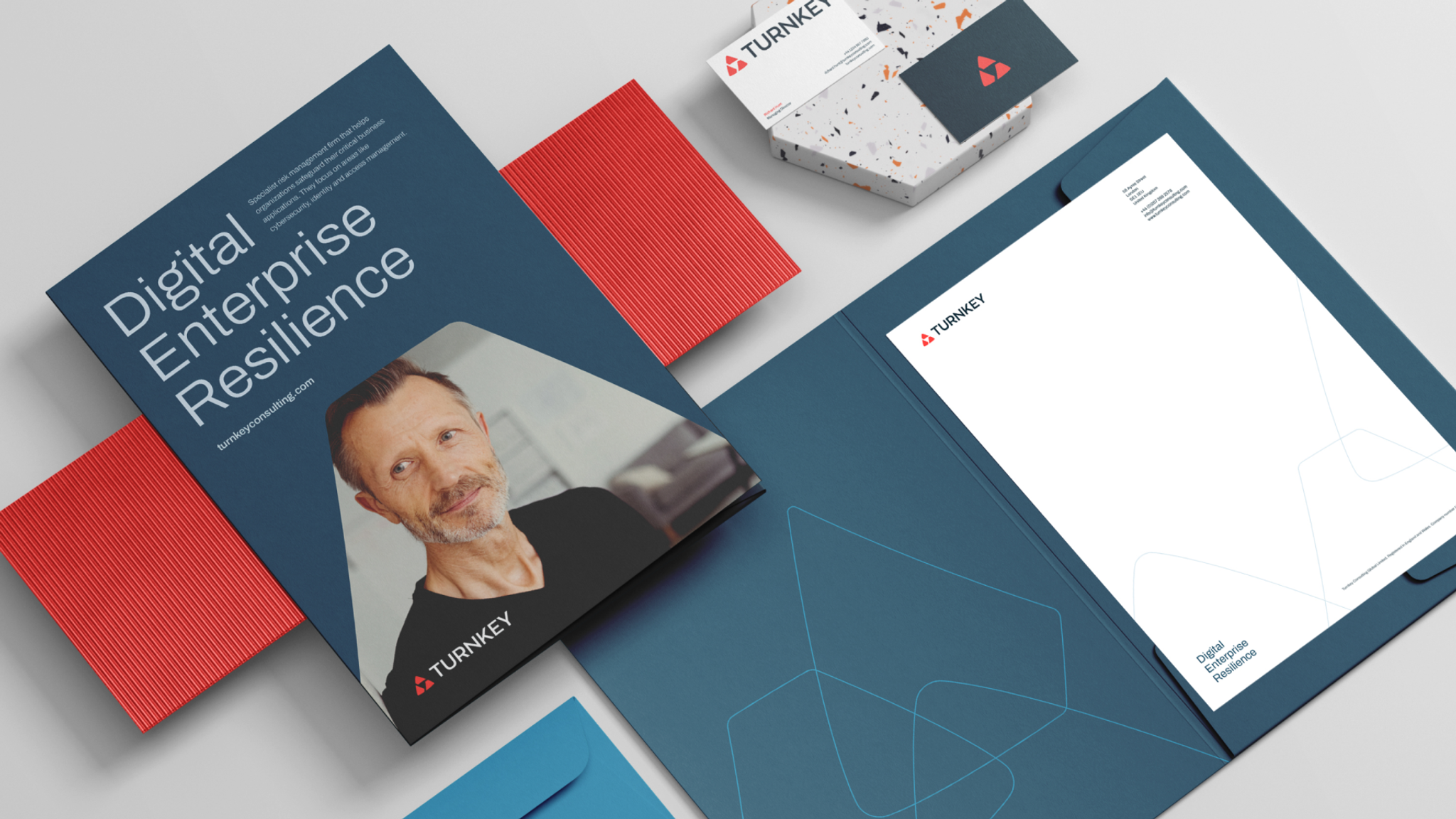
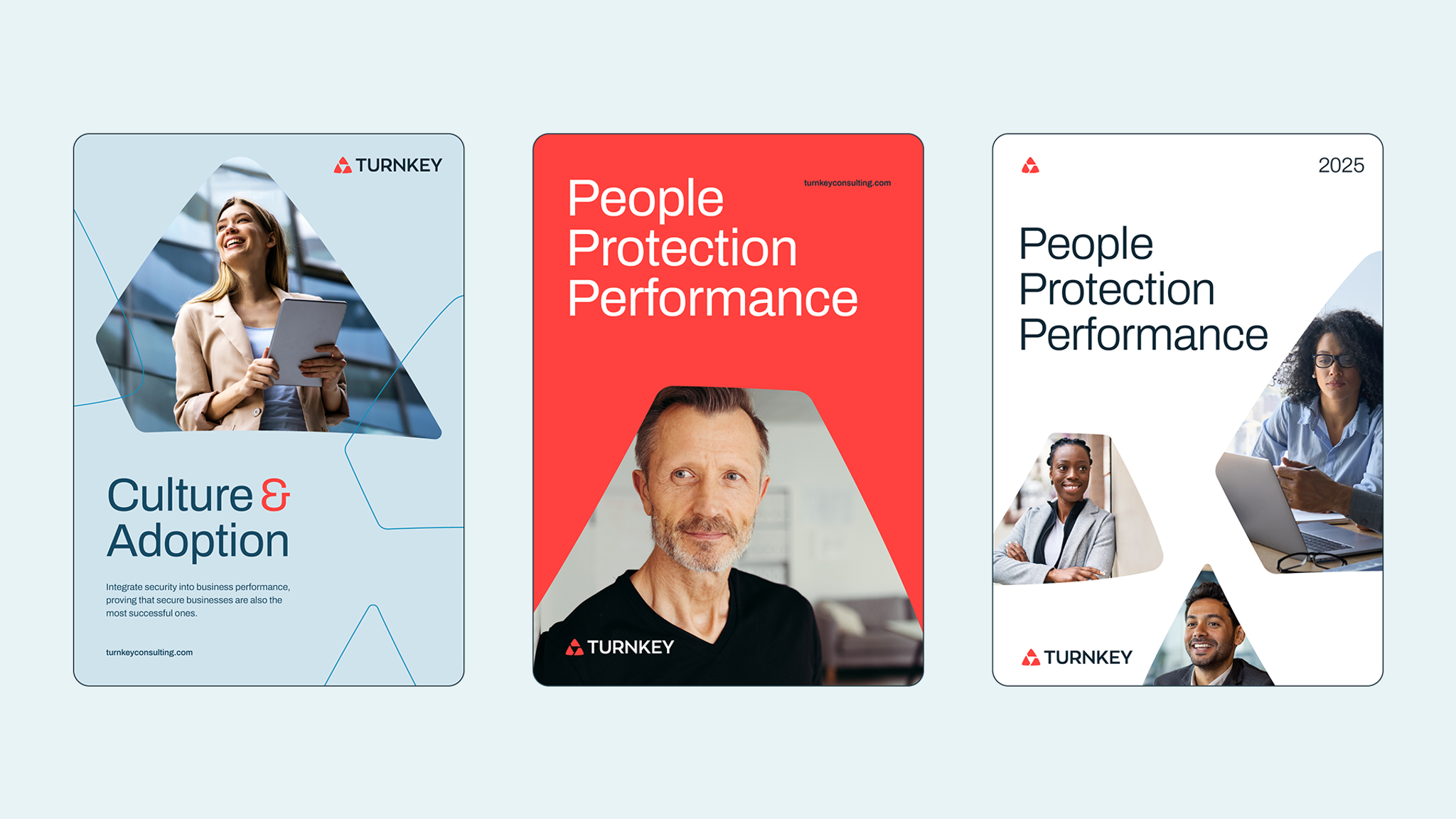
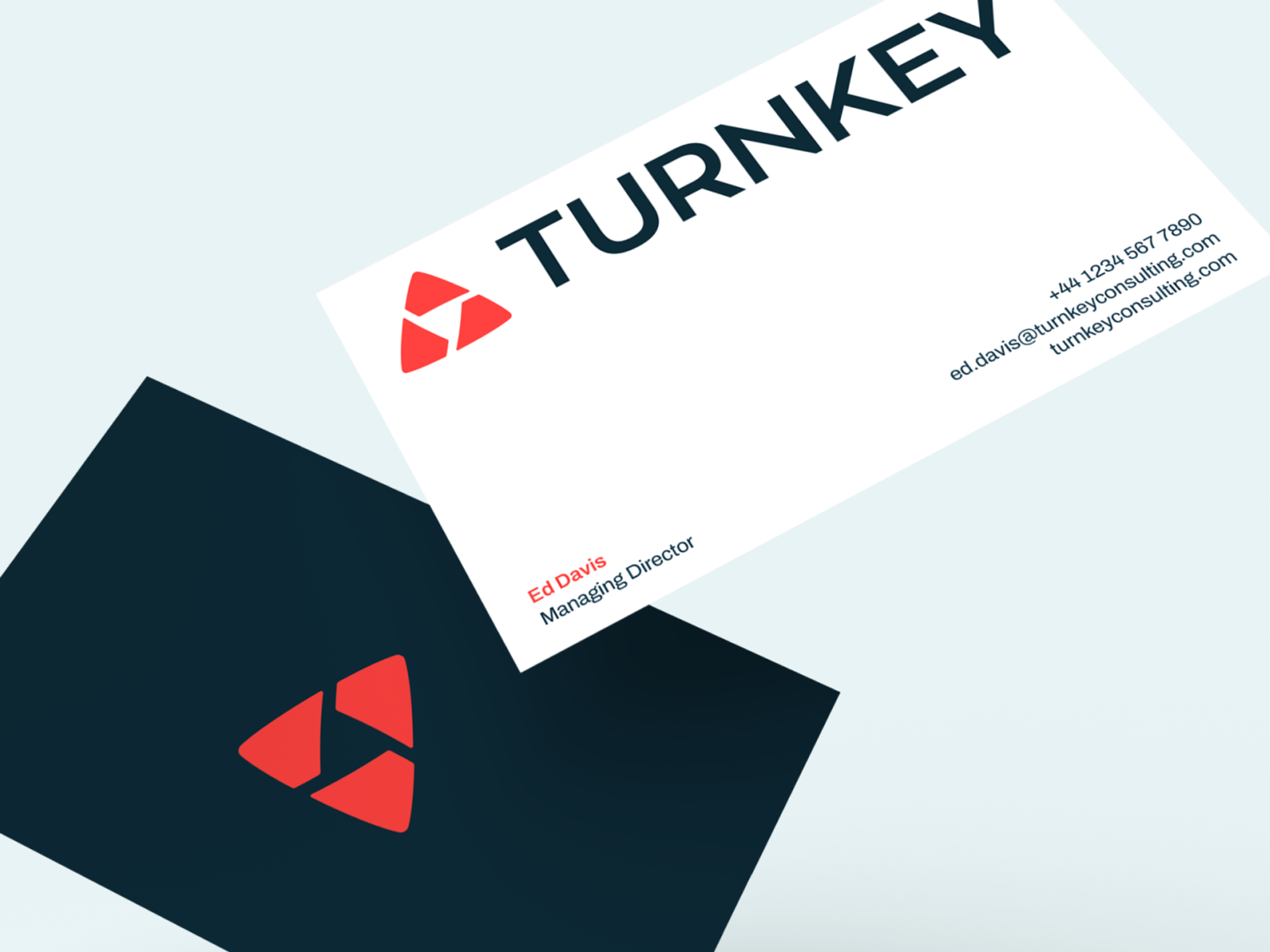
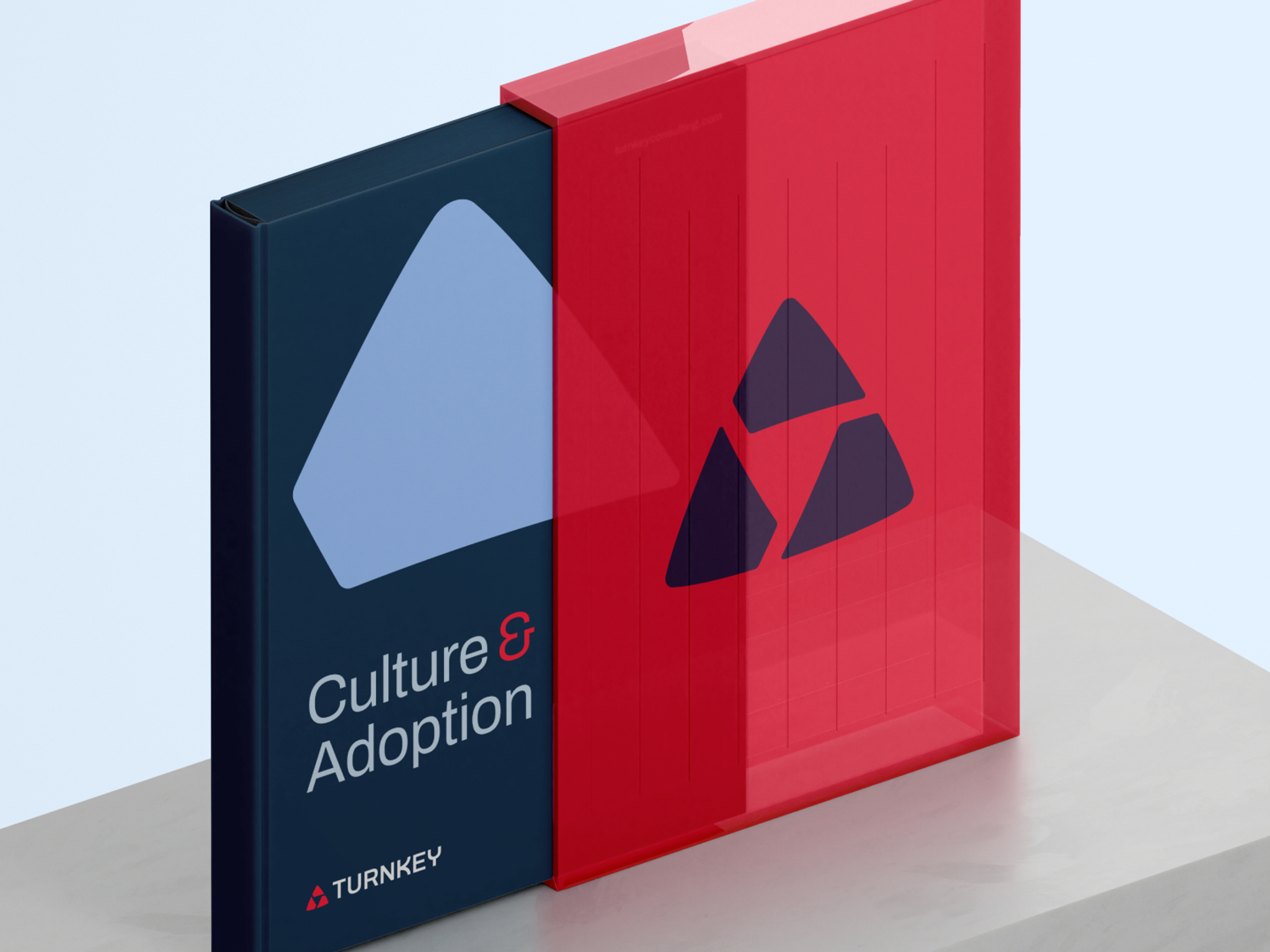
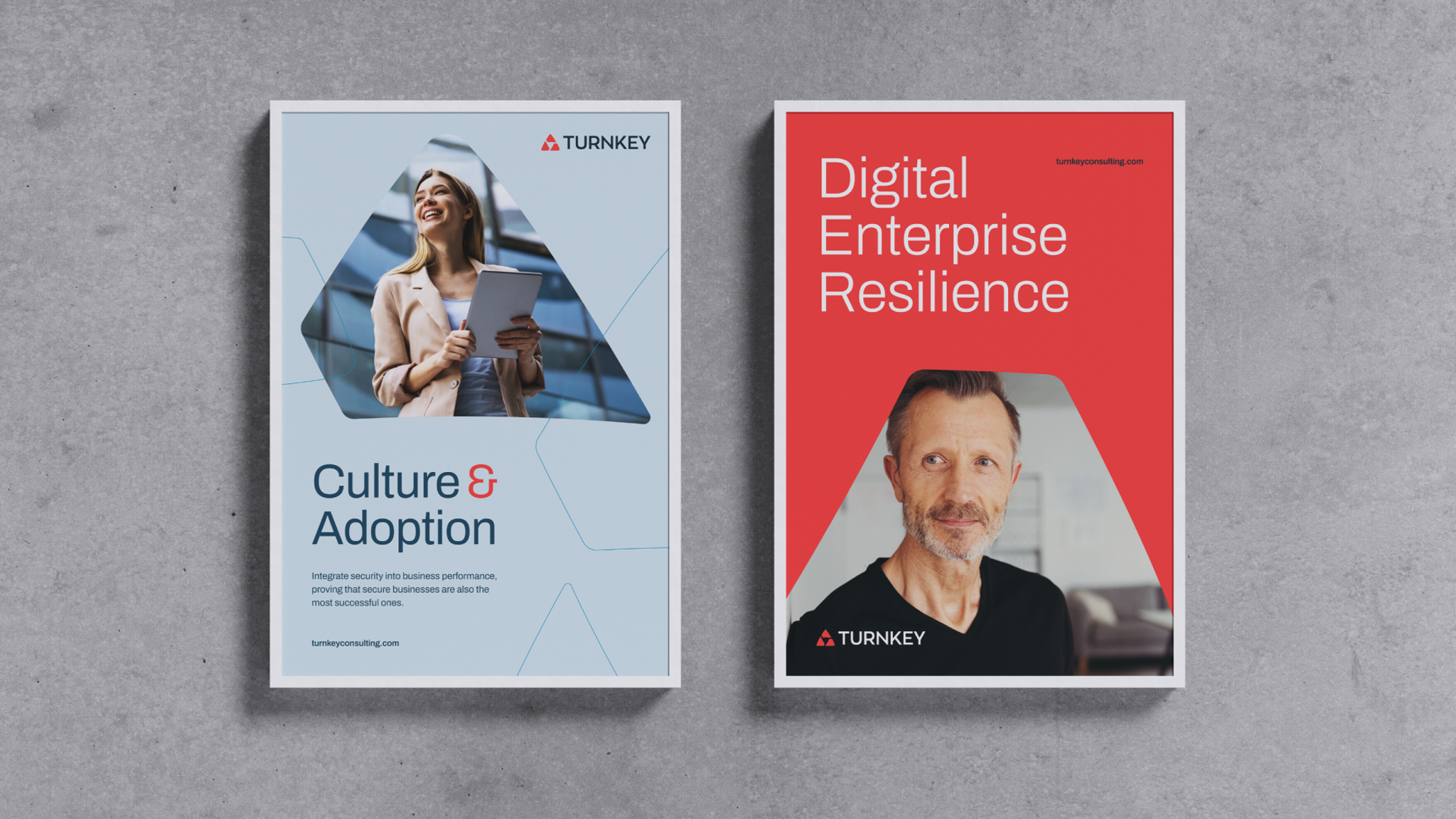
- Visual foundation (refresh + system): We refined Turnkey’s visual brand and gave the company a modernized look and feel that matched their maturity.
3) Let the brand settle before turning it into a website
This is the part Julia was most emphatic about: The brand needed time to live in the real world before it got turned into a website. After working with us on the brand foundations, she introduced them to the internal team as a stress test. As they used the brand, she was able to refine it and make sure everyone felt confident with it.
After a few months, she engaged with a web development agency. From there, they started building the website.


Deliverables & Outcomes
The website phase became execution, not backtracking
All that breathing room mattered. It made the website phase calmer, cleaner, and way less reactive. The web agency could take the work we’d done, check it for technical constraints, and run with it. It freed up their team to focus on important technical considerations like AI search visibility, and it meant the whole project moved faster and with fewer hiccups.
Julia put it plainly:
“The foundational work that you guys did is what allowed us to progress this at this pace… it was essential to do first.”
Less friction, more internal trust
A stable foundation changes the energy internally. All of the design and messaging decisions had been made up front, so Julia didn’t have to resell every downstream decision from scratch. She could point back to the agreed work and keep things moving forward without turning every discussion into a referendum.
A refresh that matched the company’s maturity
The outcome wasn’t a dramatic reinvention. Turnkey could finally present itself like a long-established consultancy, and with the appropriate levels of credibility. Now, the company has a brand and website that reflects who they are today, and allows them to build for where they’re going tomorrow.

Where Turnkey Landed
At the end of the project, Turnkey got a new brand and website. But the real win was avoiding scope creep, project delays, and a lot of frustration.
Foundations first meant:
- Fewer surprises halfway through
- Fewer circular debates
- A cleaner handoff to external partners
- A website rebuild that could stay on schedule
This time, the brand was doing its job before the website asked it to.
“If you don't have the foundations in place before you start the website, you end up hitting a wall halfway through—and you have to go back and take care of the brand anyway. The foundational work you did is what allowed us to progress at this pace… it was essential to do first.”
Julia Hornaday
Global Director of Marketing